$GRAIL
Own part of the whole vault.
Each token is a share of the vault's total value. When the vault buys new cards and tokens get burned, every token is backed by more.
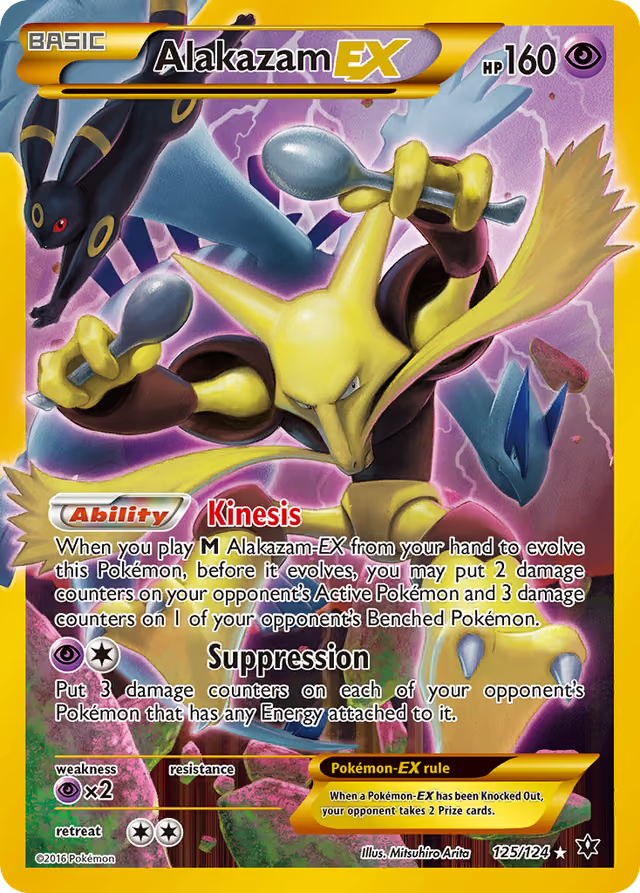
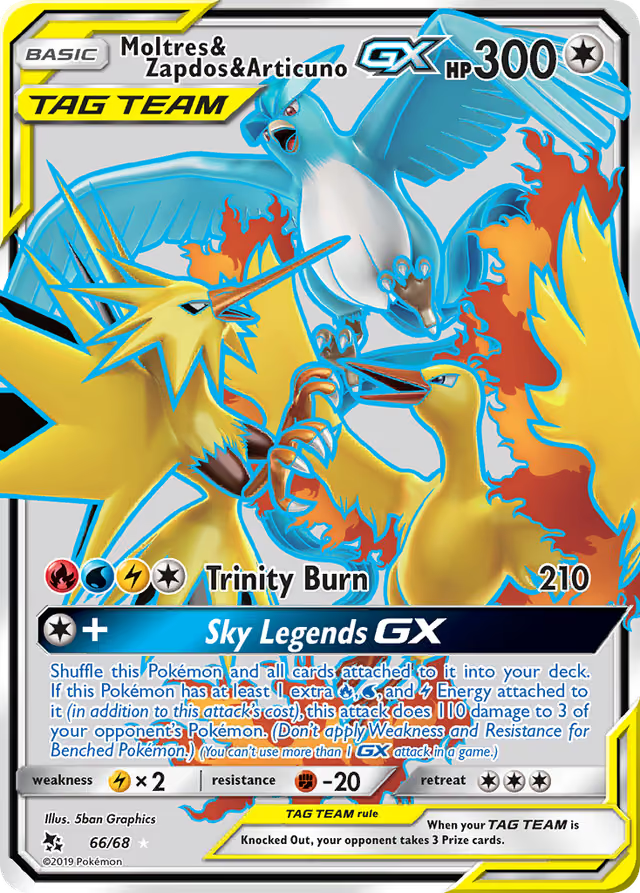
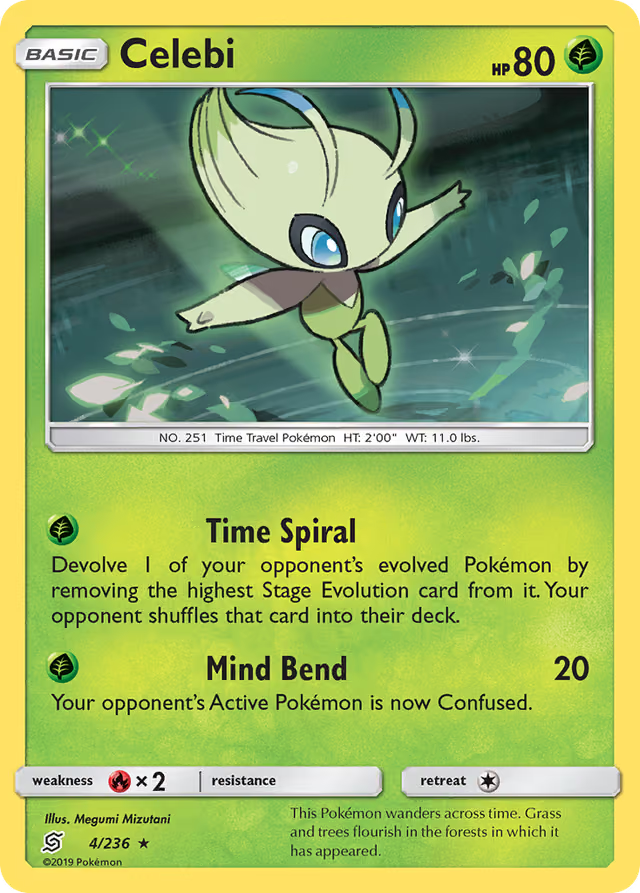
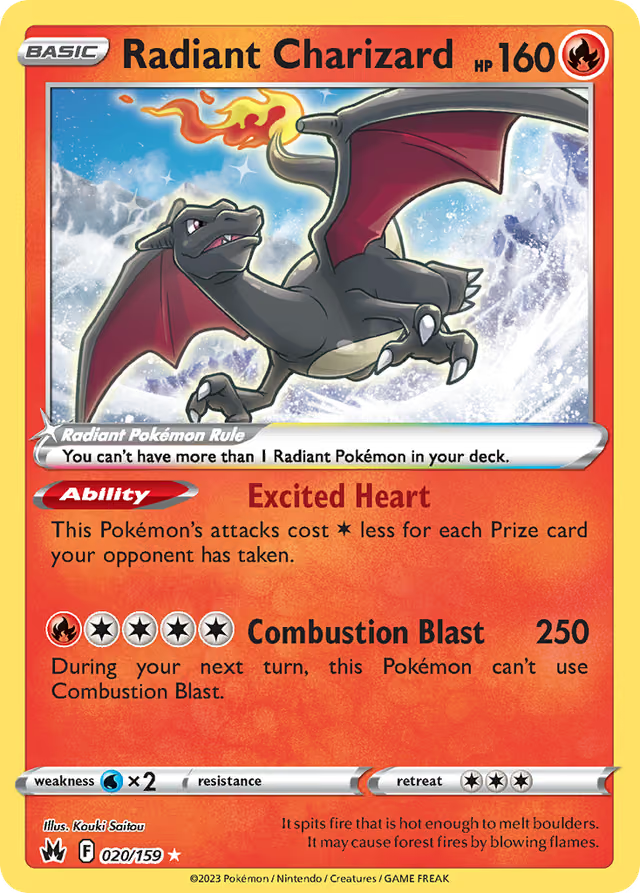
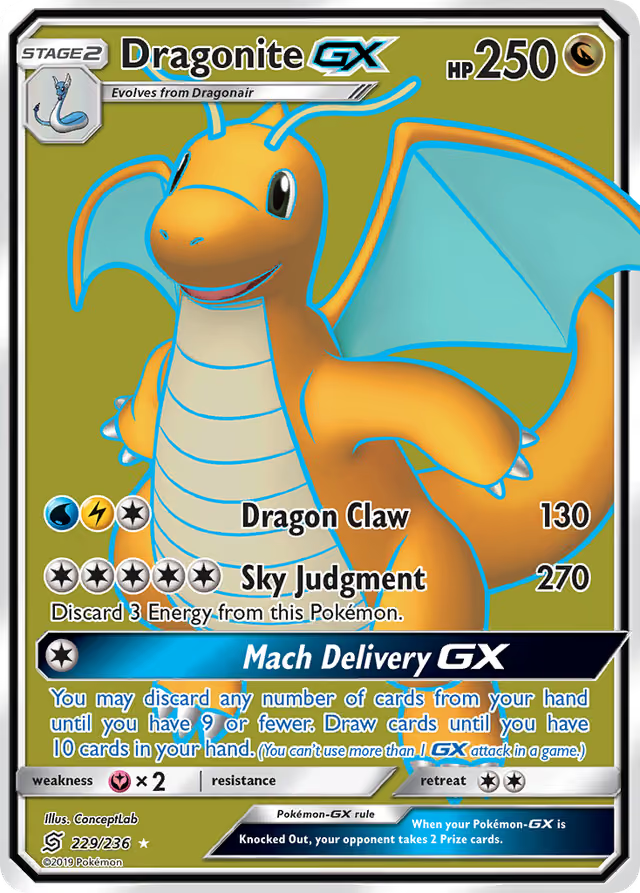
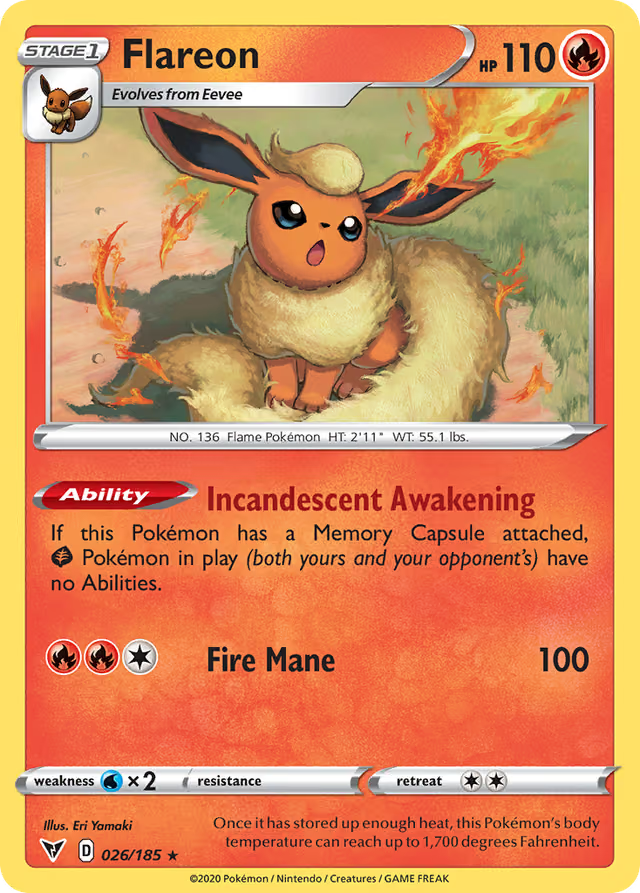
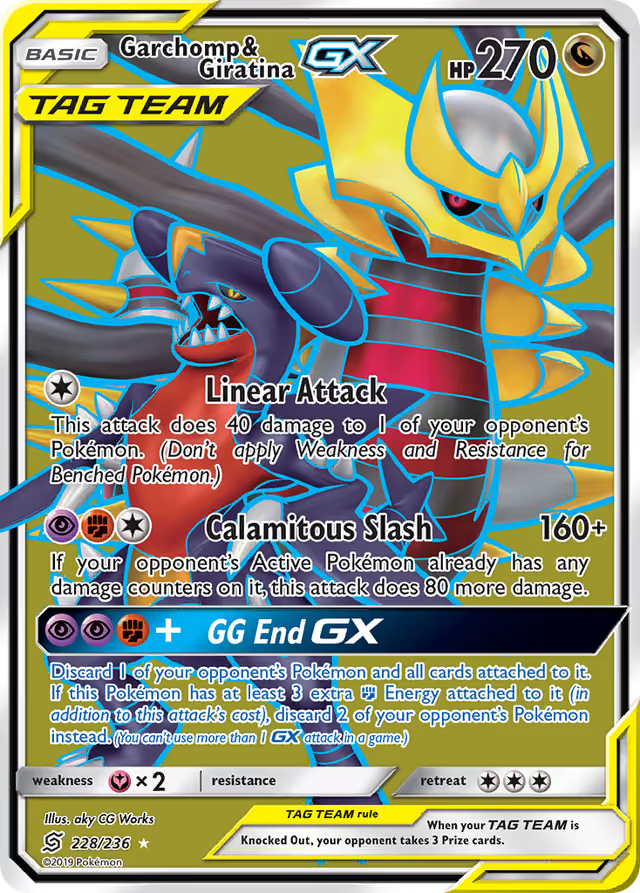
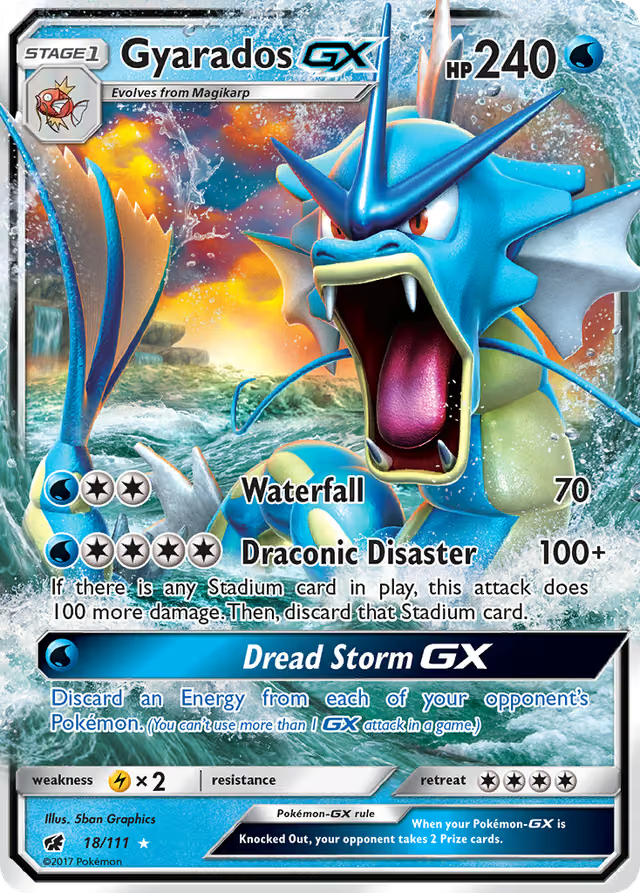
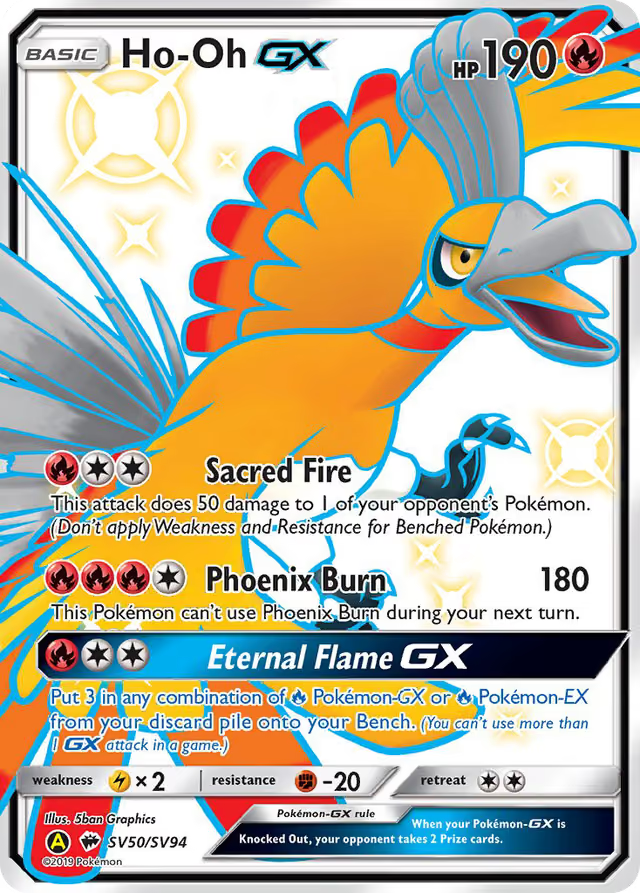
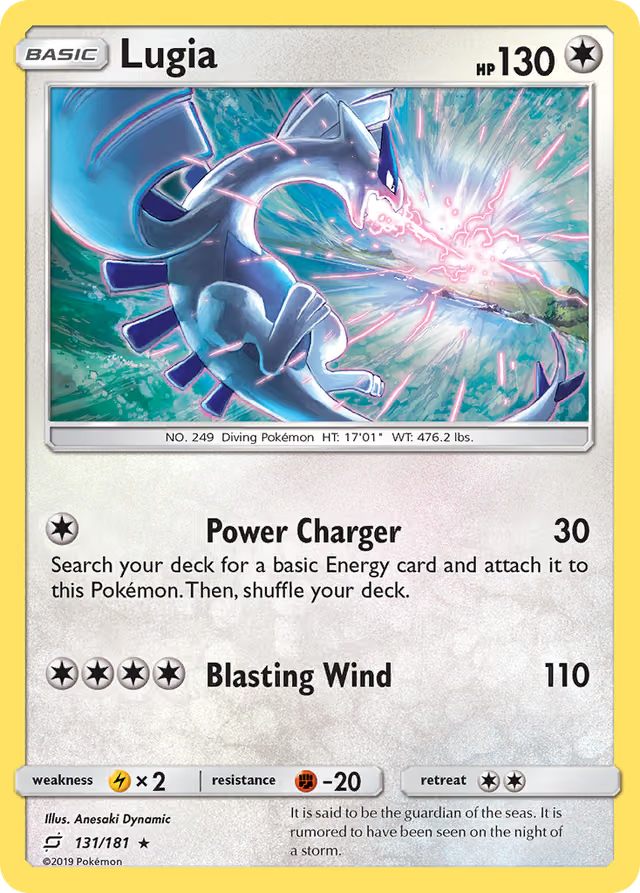
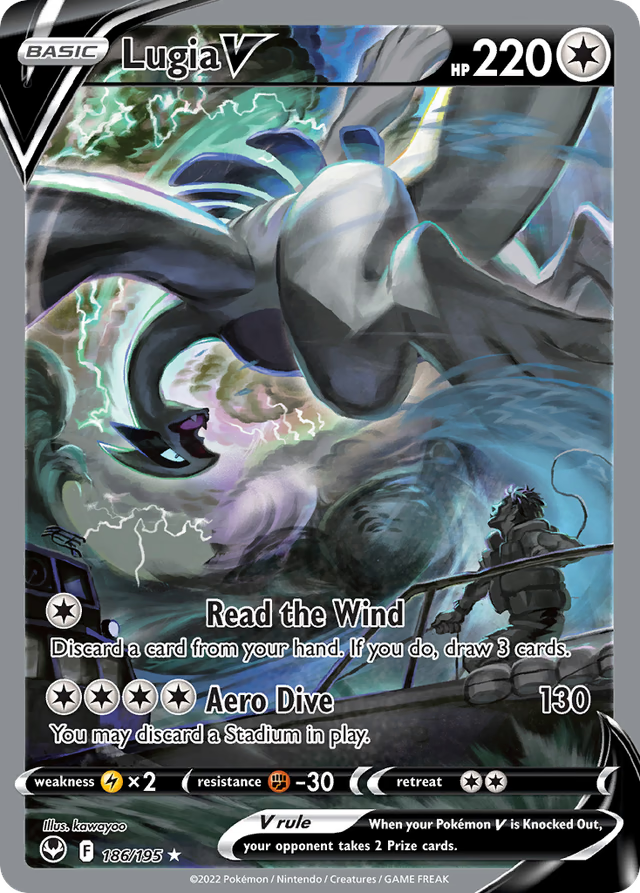
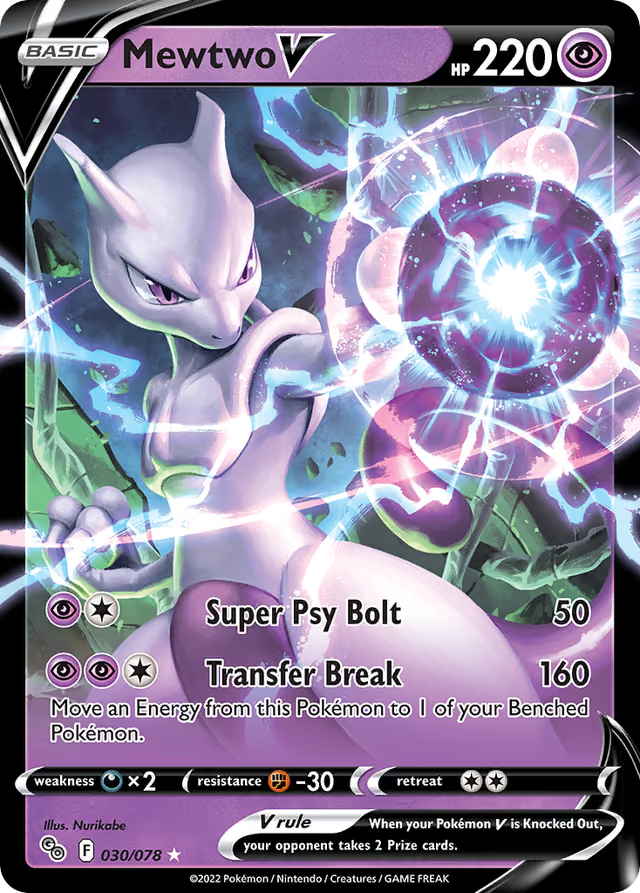
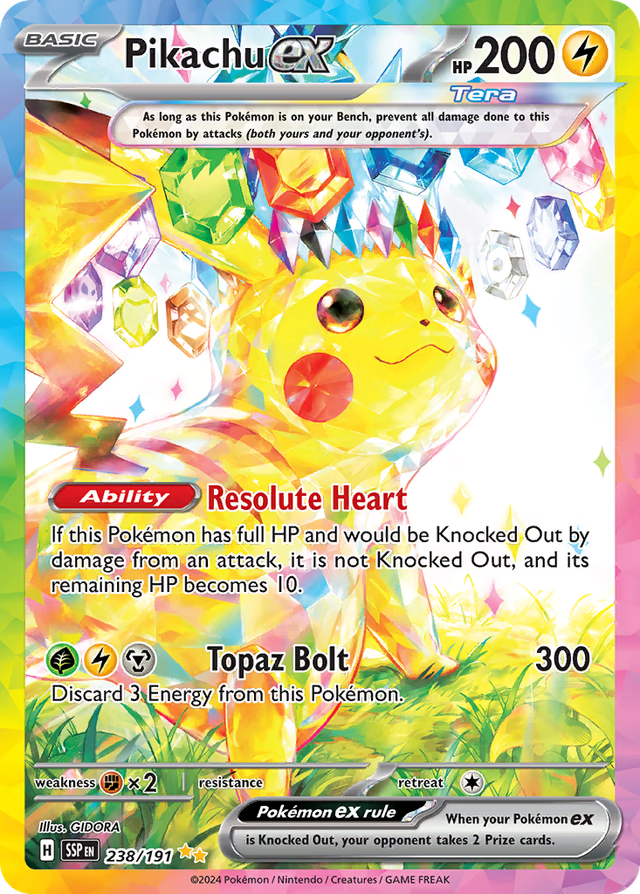
Graded Pokémon cards, vaulted and tracked onchain. Own part of the vault with $GRAIL, or pull a card from the pool.
Every slab in the vault is authenticated and graded, and comes from verified sellers or institutional collectors. Each one is recorded onchain with its certification ID.
$9.5B–$15B
sits in Pokémon collectibles, split between auction houses, private sales and vaults. A top card can wait months for its next buyer, and there is no index or ETF for anyone who wants exposure to the market.
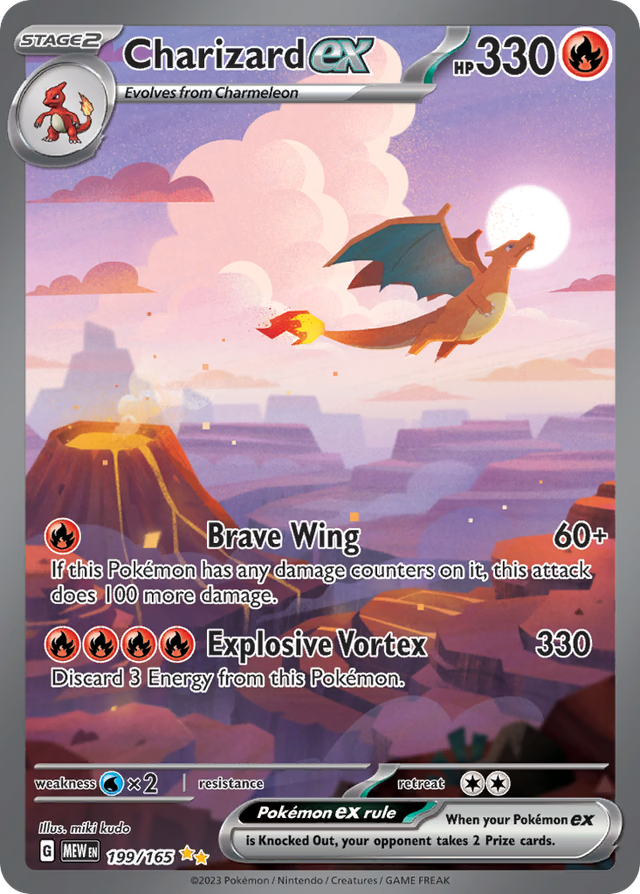
A PSA 10 Charizard can cost more than a luxury car.
As prices go up, fewer people can afford to buy, including the collectors who built this market. Authentication, grading and storage also make every purchase slow and expensive.
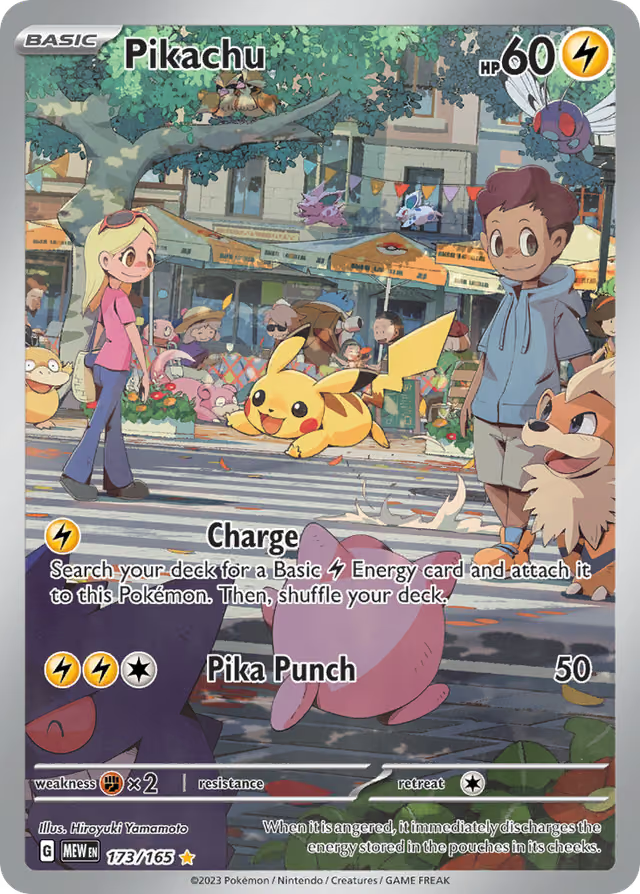
More than $120M in Pokémon collectibles trades every month. One Trophy Pikachu sold for $2M.
$GRAIL
Own part of the whole vault.
Each token is a share of the vault's total value. When the vault buys new cards and tokens get burned, every token is backed by more.
The Pool
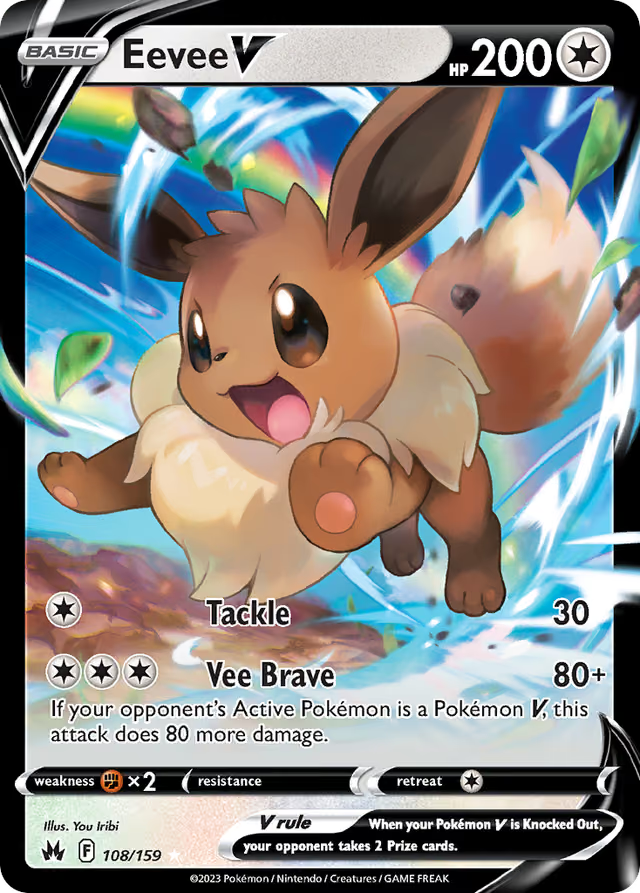
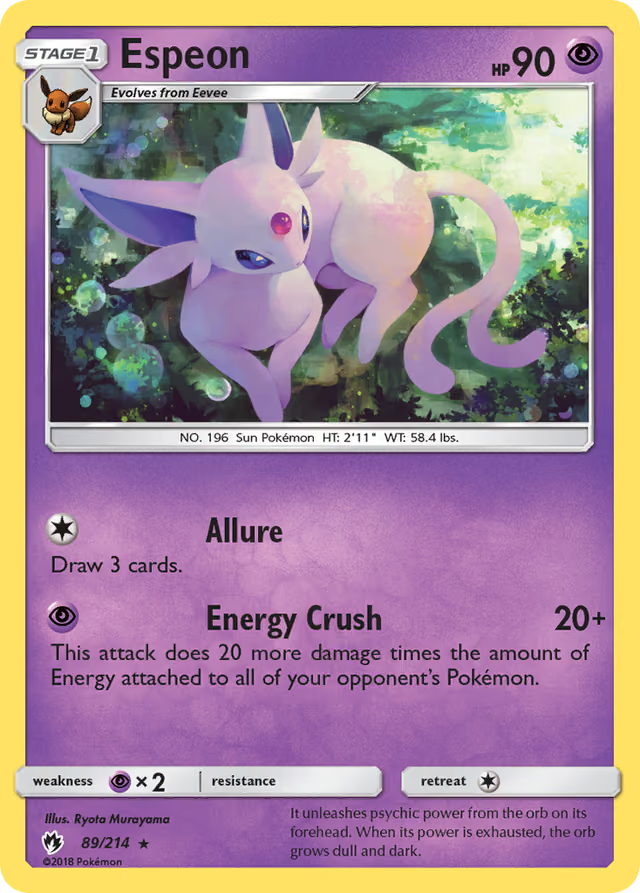
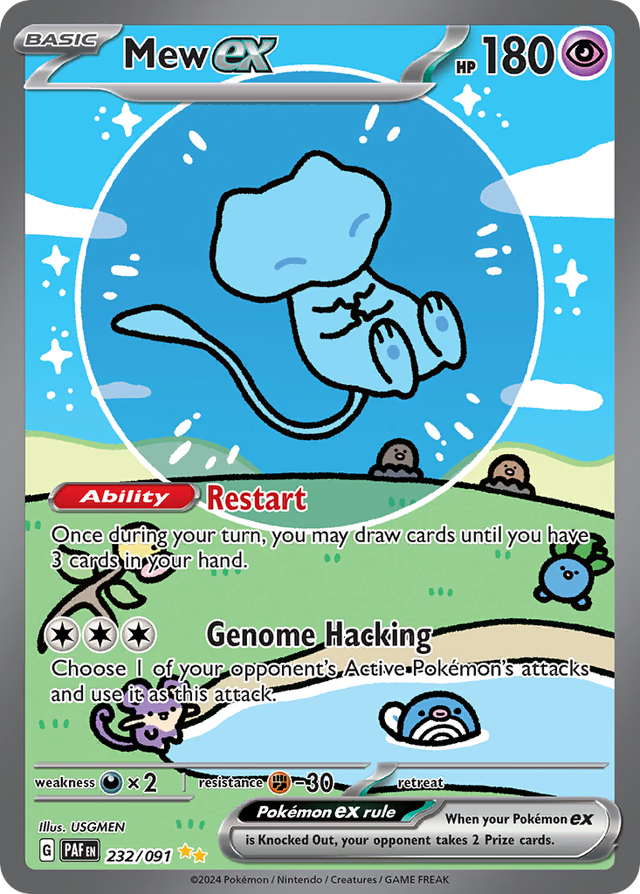
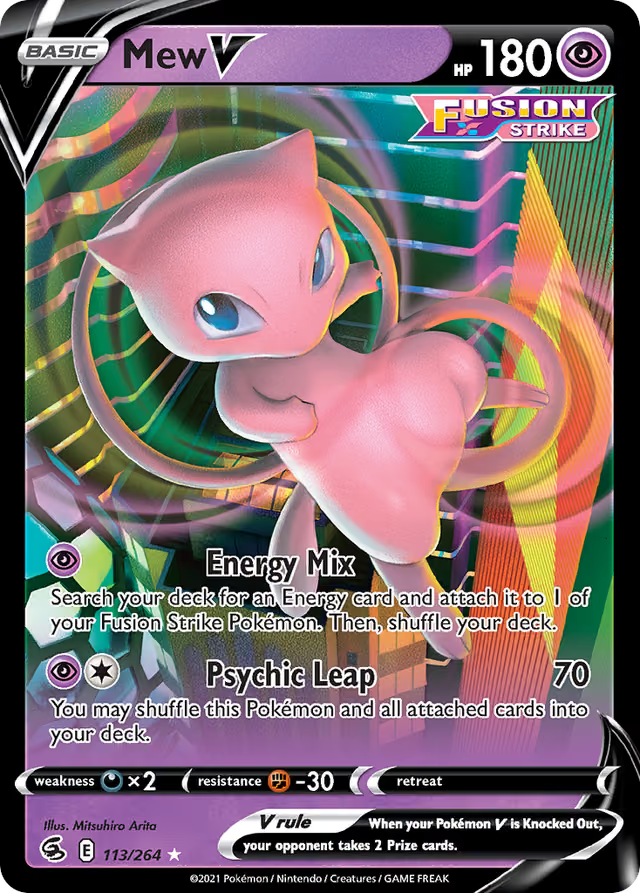
Pull a real graded card.
Every card in the pool has a USDG backing, and rarer cards have lower odds. After a pull you can keep the card, sell it at the standing bid or put it back in the pool.
The Dynamic Based Fee follows trading volume and market cap in real time. It goes up when trading is busy, which pays for more cards and buybacks, and down when it's quiet, so buying in costs less.
Where the fee goes
Every $GRAIL trade pays the Dynamic Based Fee. The split is fixed.
Builds up to a set amount, then buys new high-end slabs from verified partners.
More vault growth
Buys back and burns $GRAIL automatically, in small recurring rounds.
More buyback
When trading is busy, the fee goes up and more goes to new cards and buybacks.
Holders can confirm at any time that the cards in the vault are real, graded and stored safely.
Six phases, starting with the first cards in the vault.
Phase 1
Phase 2
Phase 3
Phase 4
Phase 5
Phase 6